
The Raw Beauty of Abandoned Places in Ireland
18 May 2020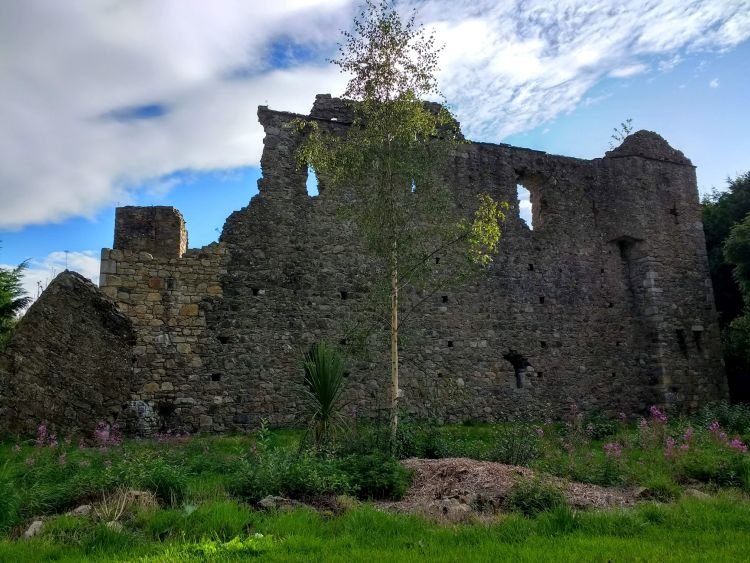
When I began this article a few months ago, I never anticipated that a pandemic would leave all of Ireland’s tourist sites literally abandoned. I had chosen the title with something entirely different in mind—abandoned places in Ireland that were left behind for good. Decaying. Incomplete. Mysterious. Husks of buildings, ruins, and bare walls.
That core theme remains unchanged. This post is still a journey through a few of my favourite abandoned places in Ireland. While I never wished for the tourism industry to grind to a complete halt, I have long believed it needed to mitigate the excesses of its recent boom. Throughout the article it will become clear why I prefer certain sites to stay abandoned.
Stories Written in Stone
I love old things. My husband jokes that this is why I married him. And while there might be a grain of truth to that, I am really referring to old buildings. Both hold a history that draws me in, though I will leave my husband’s story aside for now. Instead, I am captivated by the unique energy of an abandoned space. There is a profound beauty in a ruin that has stood for centuries, slowly decaying and overgrown. Standing within them, I can’t help but imagine their former heyday. Why did people leave them in the first place? And how did they end up abandoned for good?
Laying the Foundations
When I was a child, my parents brought my sister and me to a lot of historic places—mostly ancient archaeological sites in Greece and Turkey. Some of them were popular amongst tourists. Others barely had an infrastructure and very few visitors, but just lay there quiet and forgotten. Those I enjoyed the most. Generations had left them behind despite their immense historical value to mankind. However that didn’t make them less interesting. My parents, and especially my dad showing them to us, he laid the true foundations for my lifelong interest in abandoned places.
When History Comes Alive
Walking through those ancient grounds, my mind constantly drifted, fueled by books and a vivid, childhood imagination. I pictured the people who had trodden those very same paths thousands of years before me. I was sensing the exact same sun burning against their skin. And I was hearing the overpowering drone of the cicadas just as I did then. Did it matter that I probably imagined them inaccurate clothing? Not to me. To this day, what lingers in my memory isn’t the dry, historical facts you can look up in a textbook—it is that unforgettable, living atmosphere.
Less is More
I prefer to fill in the blanks myself. Modern reconstructions and crowded visitor centres often strip away the raw magic of exploring a site with all its missing pieces. Abandoned buildings speak for themselves, even if the story they convey is different for everyone. Fortunately, there are still a few highly frequented tourist sites in Ireland that have successfully preserved their true spirit. They leave plenty of room for imagination. Sadly, there are just as many tourist traps whose goal is not to purely inform, but simply to make people spend money.
Beauty Without Gift Shop
Just as grazing sheep on emerald hills are quintessential to Ireland, the ruins of grand mansions and ancient abbeys are a familiar sight in the Irish landscape. I, like many other visitors, get downright excited when we spot a lonely castle on the roadside—untouched, with no coffee shops or souvenir stalls attached. They are monuments of pure history, original and unaltered. Where some might see wasted potential, I see the very definition of sustainable tourism. Sometimes, all a historic site needs is a simple signpost and the freedom to just exist.
Curse of the Crowds
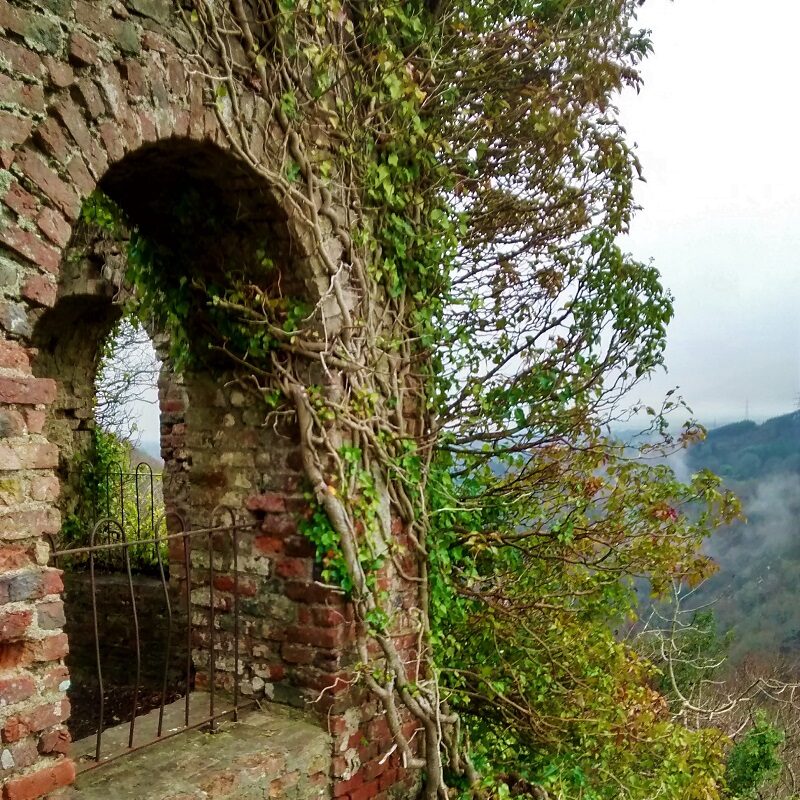
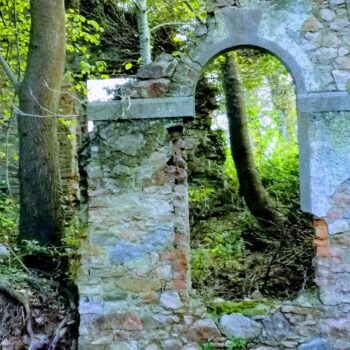
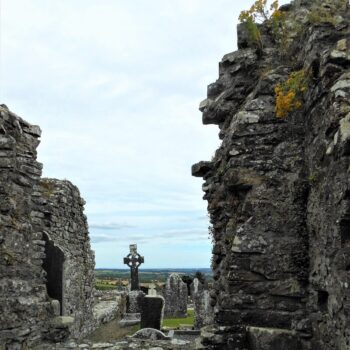
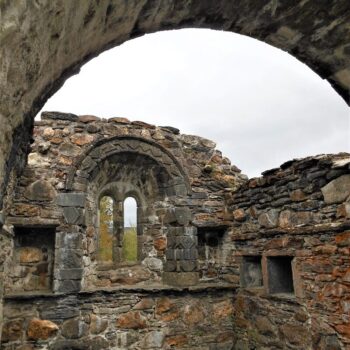
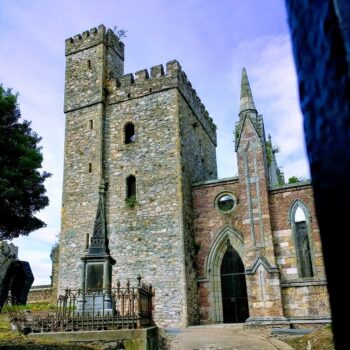
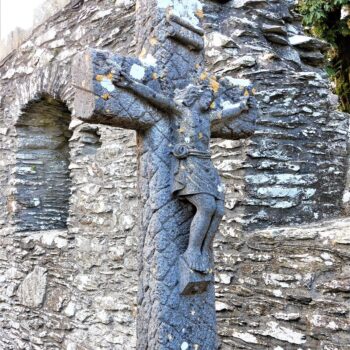
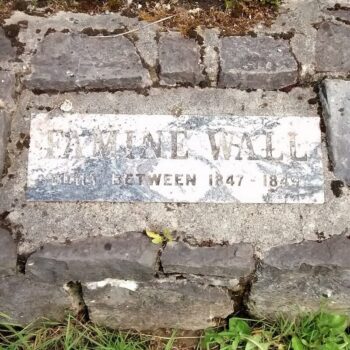
Every image in this post was captured exploring abandoned places in Ireland. Most lack any sort of visitor infrastructure, which only makes them more alluring in my eyes. The imagination simply breathes easier without coachloads of tourists crowding the view. It allows me to connect with the stones in silence. Yet, I must confess an irony: not too long ago, I earned my living in the tourism industry, bringing thousands of visitors to Ireland every year. Before I stepped away to become a full-time mom, I had already struggled with the rise of cut-price, mass-marketed packages in Irish tourism though.
Preserving the Real Ireland
When approached appropriately, tourism serves as a vital source of income for Ireland, particularly in its more remote regions. However, I feel that the concept of slow, sustainable growth has been abandoned in favour of unsustainable expansion. Visitor centres should never be transformed into the main attraction, overshadowing the very beauty of the natural sites hidden. How can this not backfire in the long run, when the attributes that originally drew people in begin to disappear? Such as tranquility, unspoilt nature, and above all, authenticity. Keeping these historic sites real creates a truly invaluable resource for Irish people and visitors alike.
The Traveller’s Dilemma
In a way, I should be glad that most tourists stick to the handful of iconic locations splashed across travel brochures. Don’t get me wrong—the first time I came to Ireland, I went to see every single one of them myself. But after getting to know this country, I wanted to share other places that—for whatever reason—haven’t turned into a tourism magnet yet. I consider it my obligation to guide people off the beaten track to discover Ireland’s authentic magic. There are sights too beautiful to keep to myself, yet too precious to help transforming them into overcrowded hotspots during the high season. It is my own personal dilemma.
Raw History or Pompous Centres
The abandoned places in this article were all random finds. I hadn’t read about them in guidebooks, nor did anyone recommend them to me as a must-see. Accordingly, my expectations were low to non-existent. In each of these sites, I could completely immerse myself in an unbiased imagination regarding their history, whether historically accurate or not. Completely without reconstructed walls or fake interiors. There are just stones, resting almost the same way as they were built centuries, or even millennia ago. It often made me wonder—why are some of the abandoned place in Ireland less popular than others? Is it down to clever marketing and pompous visitor centres after all?
Whispers of The Forgotten
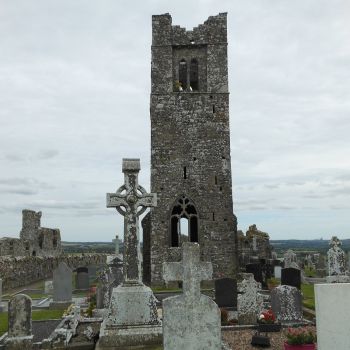
Old graveyards have always fascinated me the most. In Ireland, they possess a unique beauty, towered by the striking silhouettes of Celtic high crosses. I admire both, Glasnevin and Monasterboice, as historic cemeteries and thoughtful attractions. The same is true for the Rock of Cashel and Clonmacnoise, where ancient burial grounds seamlessly intertwine with history. In my eyes, each of these iconic sites does a magnificent job of preserving its sacred atmosphere, even in the face of large crowds. Yet, two lesser-known, hidden graveyards have left just as deep an impression on me: the Old Burial Ground in Delgany, and the historic Hill of Slane.
Secret Garden Graveyard
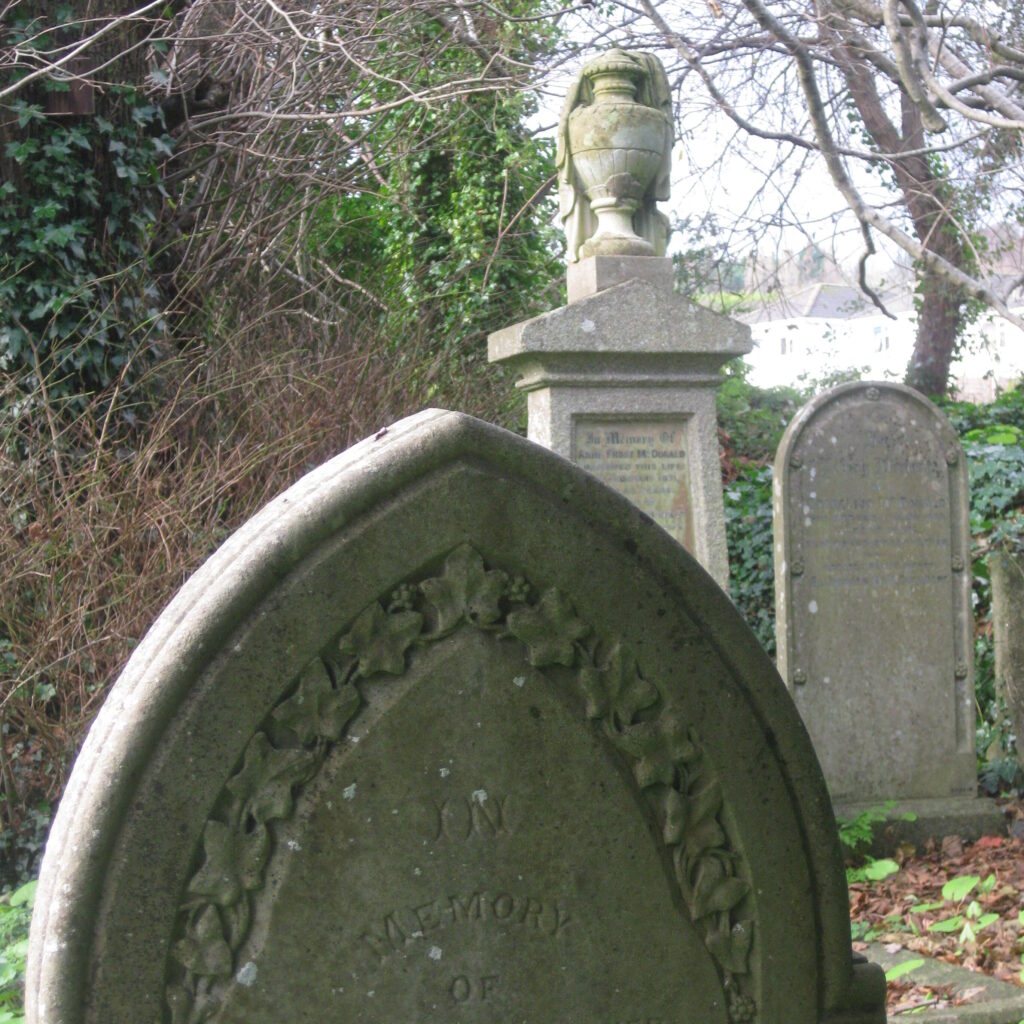
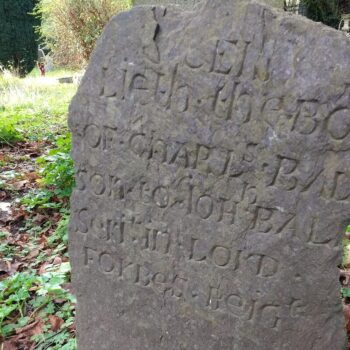
Stepping off a busy road and into the Old Burial Ground, my husband and I instantly found ourselves inside a secret garden, a world away from the traffic on the other side of the wall. We were the only ones there, taking our time to read weather-worn headstones dating back to the 1700s. Instead of sterile, manicured lawns, the grass was lush and heavily dotted with wildflowers. Tilted, ancient stones stood surrendered to the ivy, their engravings faded by time. Nearby, a bench rested beneath a massive tree, offering a quiet pocket of shade. Could a cemetery possibly be any more authentic, or provide a more beautiful resting place for both the deceased and the living?
Hill of Slane
The Hill of Slane struck me as entirely surreal—a sprawling complex of historic ruins overlooking a vast, rolling green landscape. During our entire two-hour stay, the only creatures we encountered were a few cows grazing in the adjacent field, and the local farmer who briefly dropped in to check on them. Both man and livestock were obviously rather unimpressed by the immense historical value in their immediate vicinity. To me, it was a spectacular example of something historically remarkable blending seamlessly with ordinary life. That effortless harmony is exactly what makes a hidden site feel so quintessentially Irish.
Baltinglass Abbey
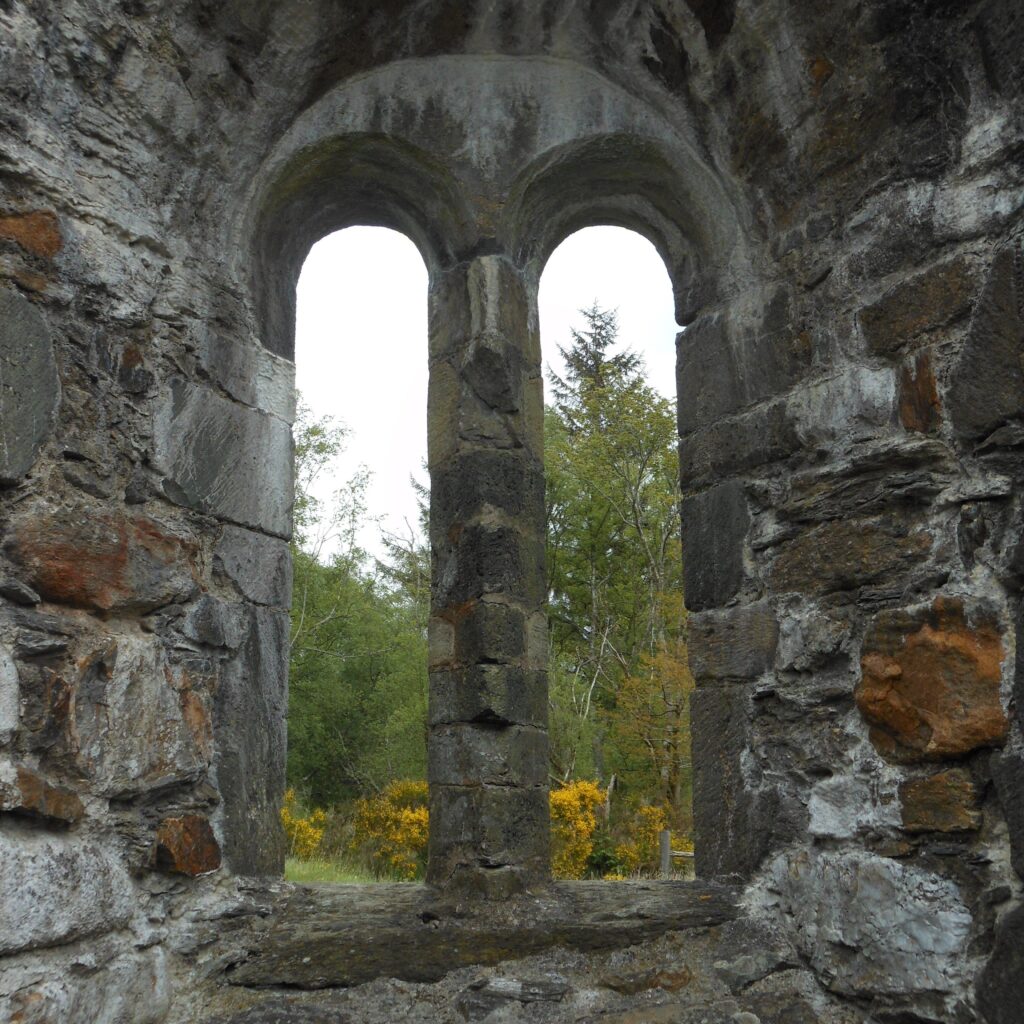
Another feature that belongs to this classic Irish landscape are abbeys. To me, they have something truly majestic. Like graveyards, they are places of devotion and contemplation—or at least they were in their heyday. Ireland is rich with their ruins, and even in decay, they lose none of their profound aura.
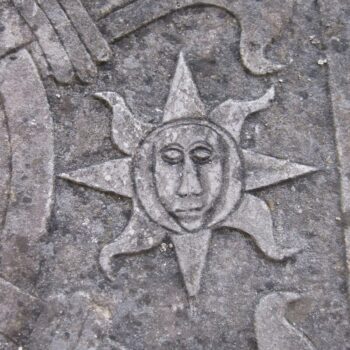
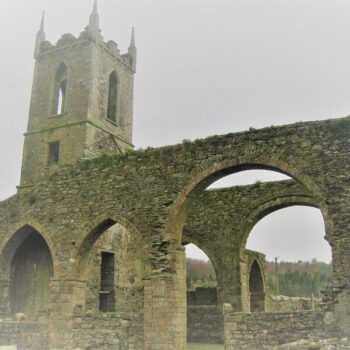
Yet, arriving in the misty rain after a challenging drive along the scenic route, we didn’t appreciate the quiet beauty of Baltinglass Abbey straight away. It was only upon closer inspection that its most stunning details began to reveal themselves. Some of them I only discovered later while studying my photographs. The incredibly elaborate stone carvings hidden within the ruins rank among the finest examples of Romanesque architecture in the country. And yet, there was not a single soul there to admire them.
Backyard Ruins
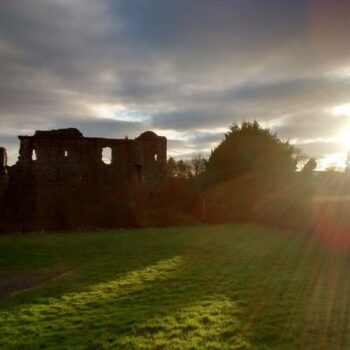
Whenever I fancy a ruin, I simply step outside my door to watch the sun set over Kindlestown Castle. In the meadow out front, our toddler occasionally kicks a ball, and neighbours quietly walk their dogs. Yet, that casual scene doesn’t diminish the history surrounding us. We are looking at a thirteenth to fourteenth-century defensive hall house, preserved as a National Monument and a proud stop on the Delgany Heritage Trail.
Just a few minutes’ drive away lies Belmont Demesne, another walking trail area we like. Nestled within green parklands are the eighteenth-century remains of Belmont House, both of which have served as backdrops for hit shows like Vikings, and the King Arthur movie. Here in Ireland, we constantly stumble across ruins – perfect movie sets – on casual walks, whether we are fully aware of their history or not.
The Homes Behind the Ruins
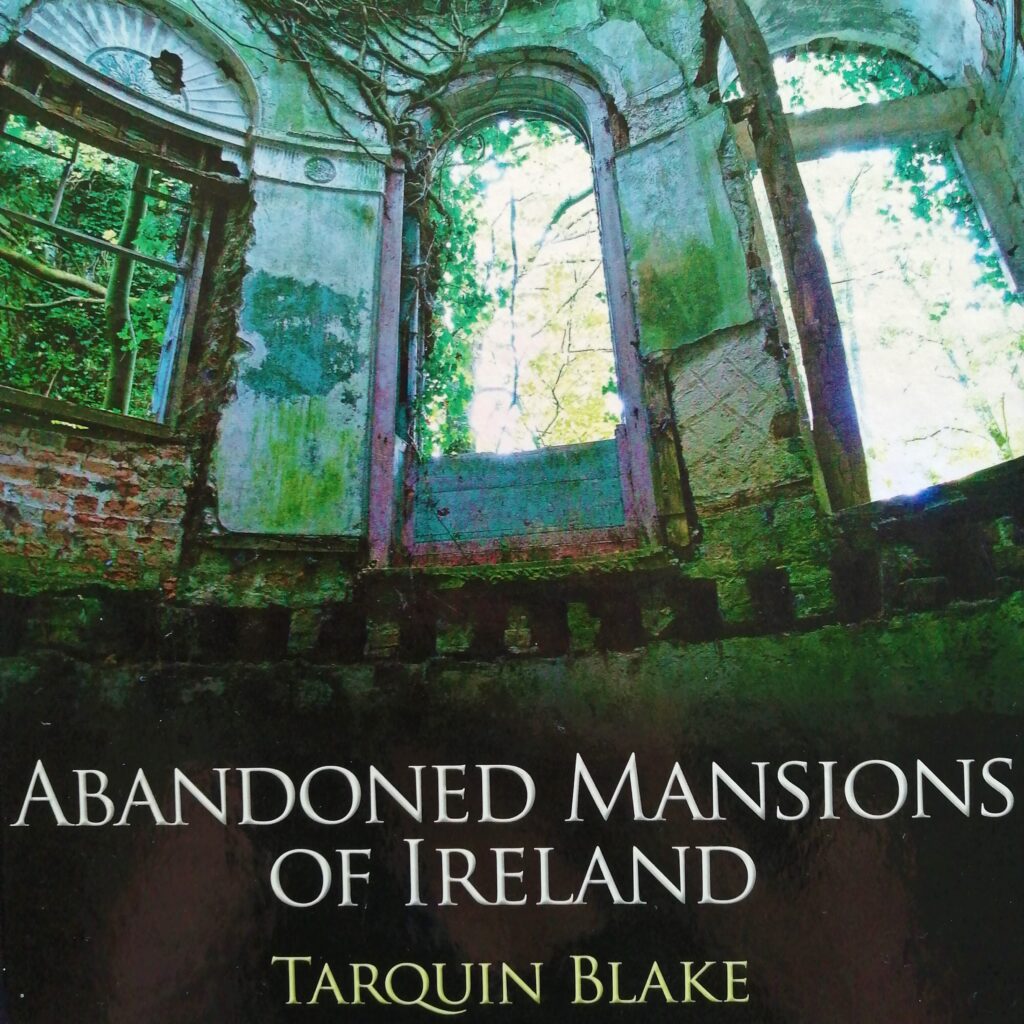
Finally, I would like to recommend a book by someone who shares my exact obsession with abandoned places in Ireland: Abandoned Mansions of Ireland by Tarquin Blake. My husband gave it to me with these words inscribed inside: “To my beautiful wife. On her first birthday as my wife. One day we will build a home of our own. Your husband.” Beyond touching me deeply on a personal level, his note made me realize that every single ruin captured in those pages was indeed a cherished home to someone once. As fascinating as it is to watch nature recapture these stone walls, the true magic lies in the history behind them. Before opening the text to read their stories, I simply let the photographs speak for themselves first—exactly as I used to do when I was a child.
Really enjoyed reading this on my phone. Looking forward to reading it again on the laptop where I can enjoy looking at the photos of the sights discussed.
Great interesting read.
X
Thanks Rebecca! Glad you like the “new style” :-).
[…] personal favourites are places with little tourism infrastructure. While we thoroughly enjoyed our ferry trip to Garnish Island—with the seasoned boatmen expertly […]