
If Trees could talk…
13 April 2020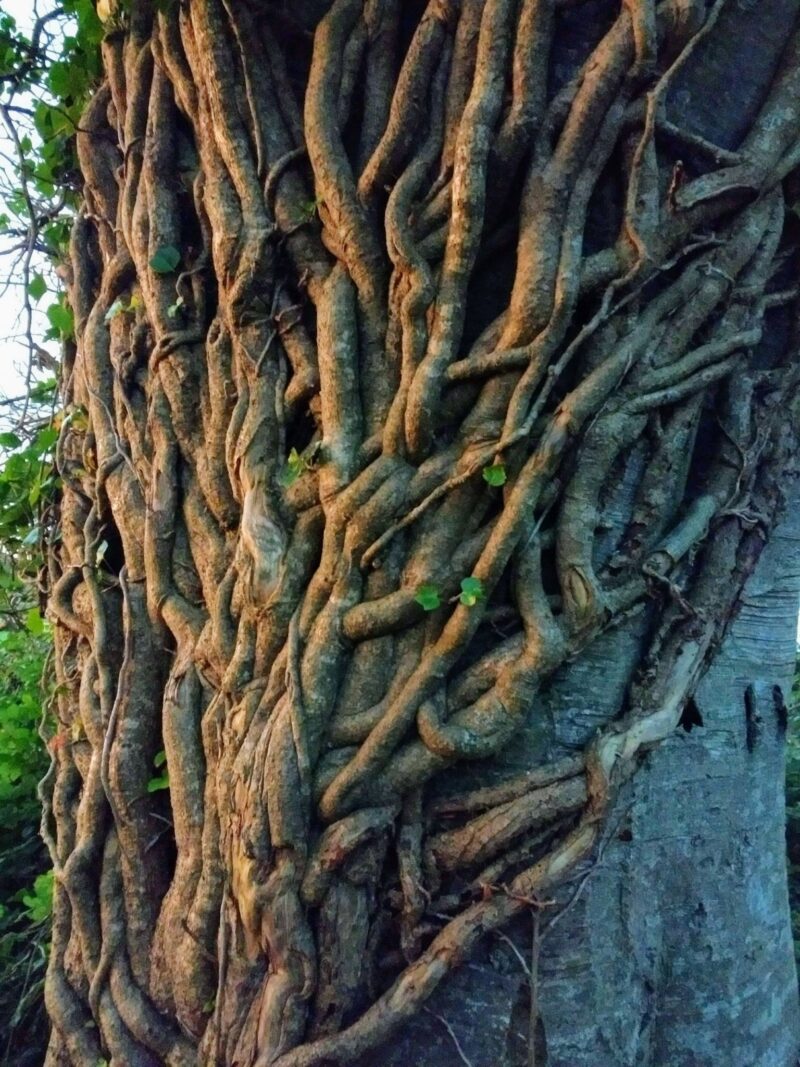
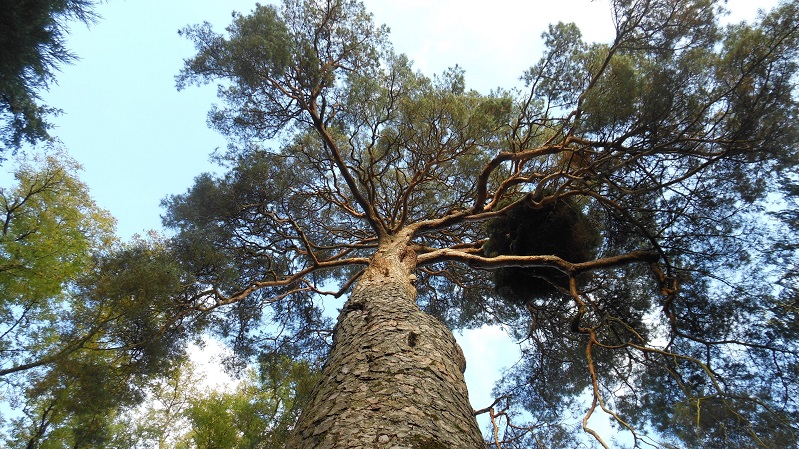
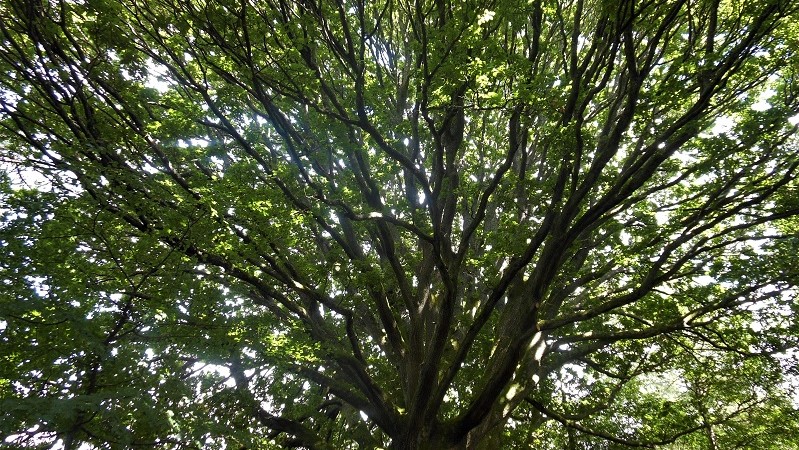
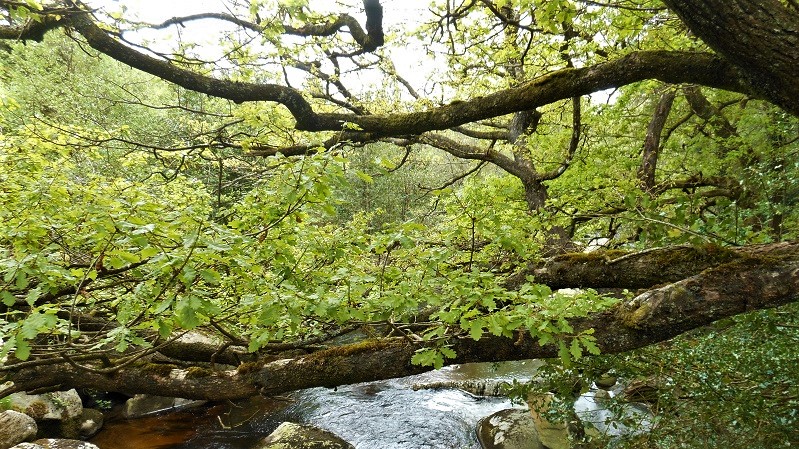
...what would they say?
Would they give away the secrets of fairies and mythical creatures whom they have been shelter to since pagan Ireland? Would they be able to re-tell legends that have been handed down and adapted by people over generations? Who knows.
In Ireland nature and above all trees have always been strongly connected to mythology. And whilst fairies and spirits might be taken less seriously in modern society, their stories and legacy are very much alive throughout the country.
I personally am fascinated by trees and their unique beauty. The comfort of forests with their delicate sounds and intense smells have been a constant in my life since I was a child. However I didn't learn to truly appreciate them until recently.
HEART OVER MIND
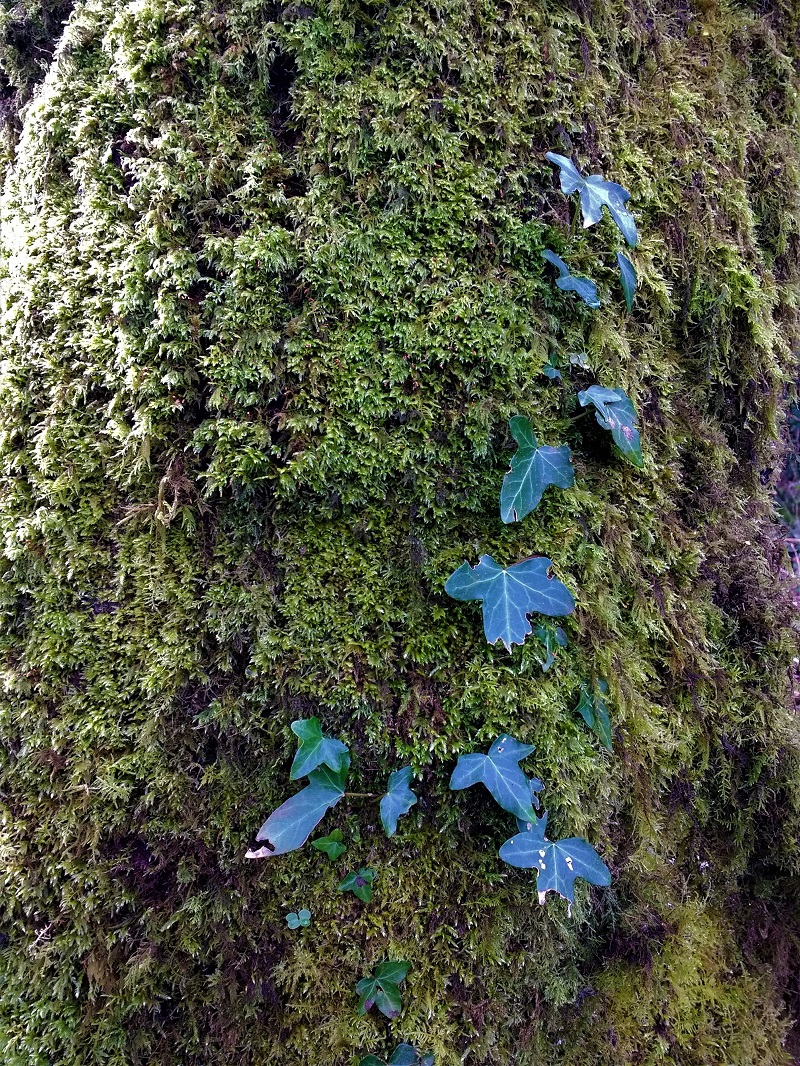
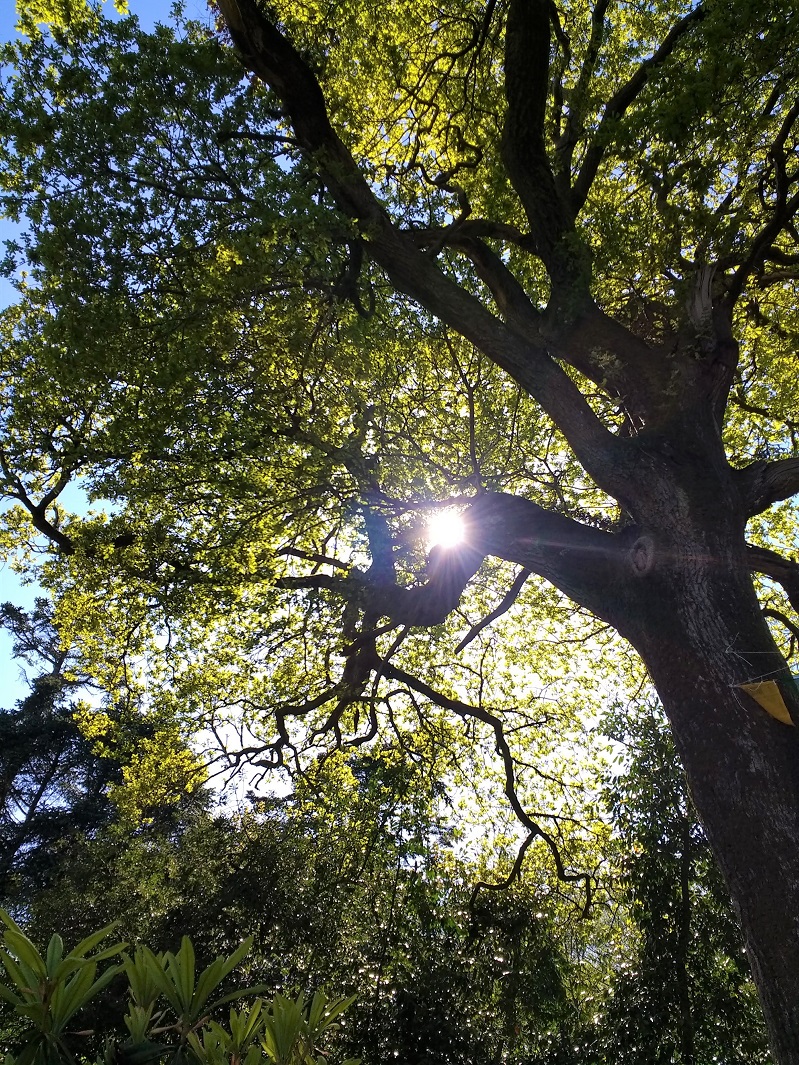
When asked "forest or sea" I would have instantly picked the latter. Having grown up miles away from the ocean it was a constant longing for the ocean which I never questioned. Now that I can see the Irish Sea from my kitchen window, I realise that the forest still is my sanctuary. Whilst I consider myself lucky enjoying the best of both worlds, I often choose the shelter of a thick green canopy over the beach. I love when the sun beams make their way through the rustling leaves. Moss climbing up gnarly trees like a second bark. The smell of damp soil buffering the sound of my footsteps. A feeling that gives me comfort and re-energises me. I wouldn't exactly call myself an outdoor person but feel a special connection to trees.
BORN IN THE WOODS
Maybe this is due to the fact that my name means "born in the woods". And my parents chose it very aptly as this is where I spent the first year of my life. In the house where my mother was born and developed her very own connection with her surroundings which she then passed on to me on hour-long walks along the shady forest paths. "You were always mesmerised looking up into the tree tops until they lulled you to sleep in your pram", my mam told me. The sensation certainly stayed with me even though I was too young to consciously remember. When we moved to a nearby town, our huge garden with its own little forest became my childhood haven.
CHILDHOOD MEMORIES
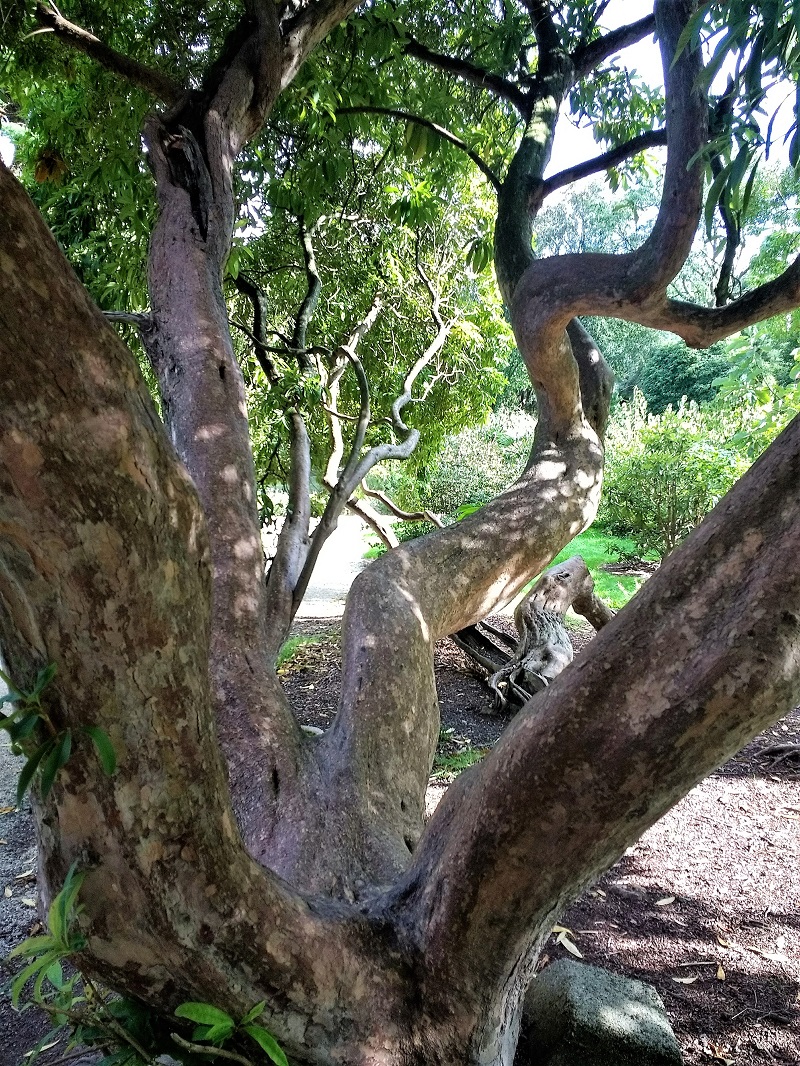
Many a weekend we went back to the forest near our old house and I have plenty of childhood memories connected to this very place. In the winter when the paths were laden with snow, tree branches bent under the heavy load, my Dad would tie a sleigh to the car and pull my sister and me along at what felt like a fearsome speed. An adventure that I treasure forever, such as going mushroom foraging with my grandparents in autumn. Our Easter forest walk was another annual occasion. We eagerly hunted for Easter eggs which my family hid over and over again after we entrusted them with our yield, ending up with no more than a handful of eggs in the end.
BACK TO THE ROOTS
Later in life I couldn't wait to escape rurality and to surround myself with everything but trees and nature. For a while I was convinced that I wanted to live in a modern city-centre apartment, embracing a noisy environment as different as possible to where I grew up. Now I know that it was a finding phase that eventually brought me back to a very similar lifestyle to which I started out with.
SACRED TREES
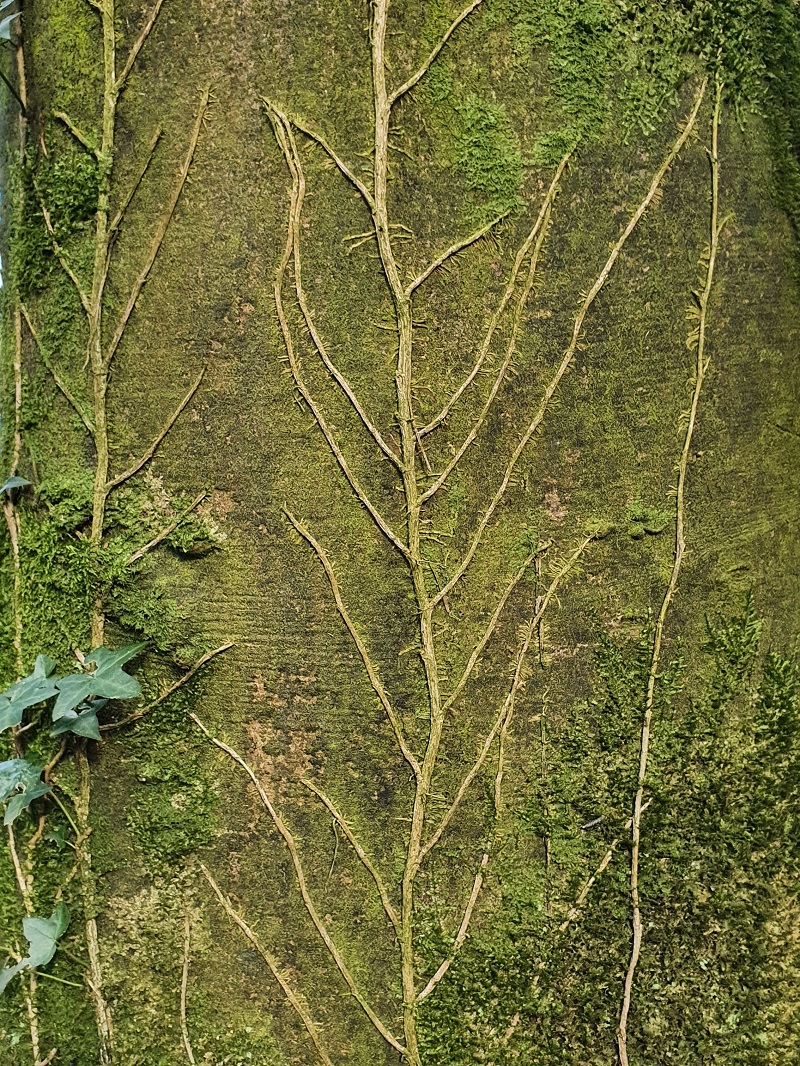
The calling to move to Ireland had grown in me ever since I first visited. I was never able to put my finger on where exactly my strong desire was rooted. Anyway, I somehow ended up living in a country that considers trees sacred. Trees play a vital role in Irish folklore and mythology. They are home to the "wee folk" and away from their spiritual significance, people in Ireland have always known how essential trees are for the survival of mankind.
TREES IN NAMES
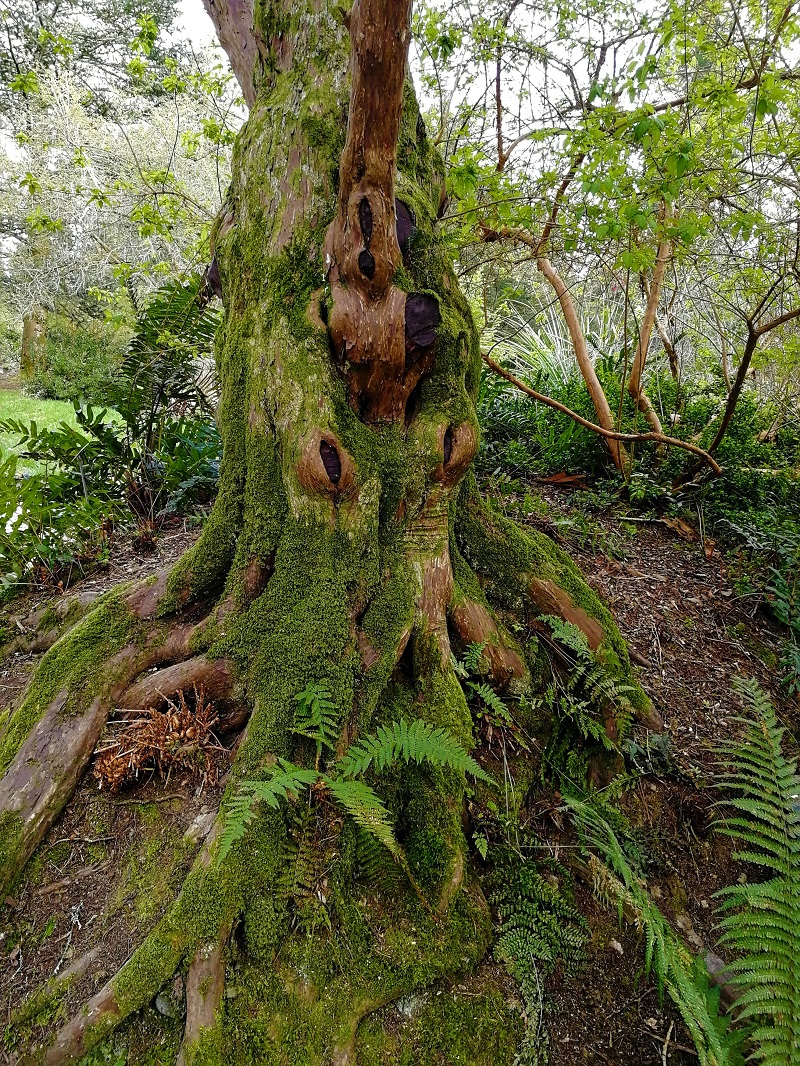
All over Ireland names show the peoples' connection to trees. Many places feature the name cullen which means "holly", or deagh standing for a "birchy place". "Glencullen" therefore describes a "Holly Valley". Town names starting with kyle are derived from the Irish word coill, meaning "wood". Hence "Kylemore" stands for "great wood". (Source: forestryfocus.ie) A practical way of describing the character of a place and an eternal tribute at the same time.
SYMBOLISM
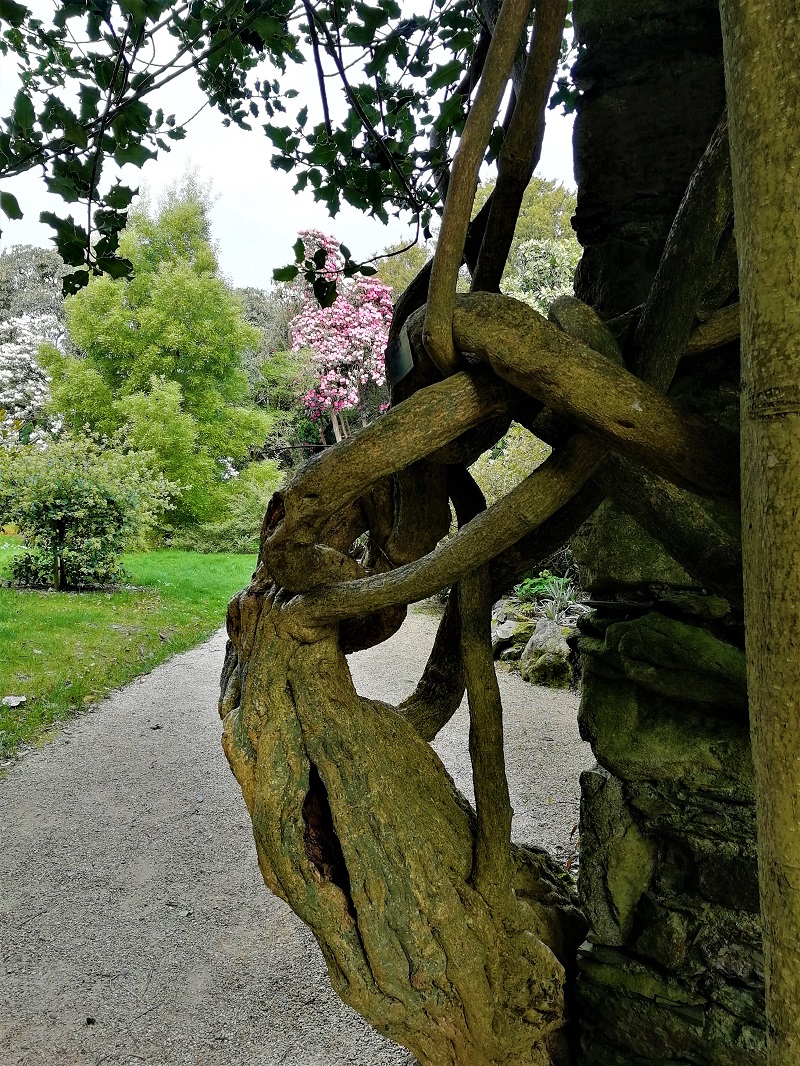
There are three trees prevalent in Irish folklore: oak, birch and ash trees. The oak stands for kingship because of its strength and fertility. It is therefore often found near ancient royal burial sites. Birches were a Celtic symbol of love and people used to put its branches over cradles to protect their babies. Ash trees with their strong and flexible timber were symbolic of a place’s wellbeing and associated with healing, closely linked to water and wells.
SUPERSTITION
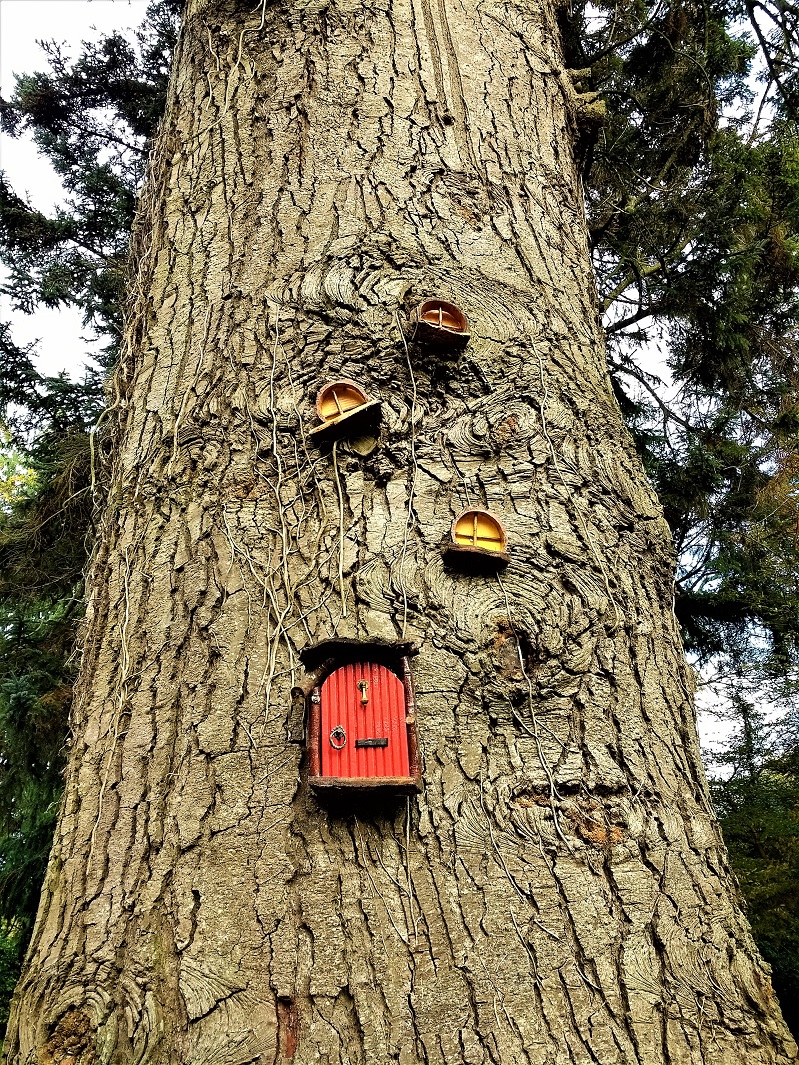
Whether it is true or not that the Irish are particularly superstitious - they take their fairy trees seriously. Fairy trees are usually ash trees or hawthorns standing isolated in the middle of a field or on the side of the road. The blossoms of hawthorn trees stand for misfortune. Long after the tree received its 'bad luck label', scientists discovered that it contains the same chemical found in early stages of human tissue decay. Maybe not just superstition after all.
SUPERNATURAL
In old times when people couldn’t explain things scientifically, they invented stories to make sense of natural phenomena. Did St. Patrick really drive the snakes out of Ireland? Was is it a giant who built the Giant’s Causeway in Northern Ireland? Probably not, but their legends survive until today. Despite their supernatural elements, they reflect people’s deepest emotions and concerns. That makes them such a valuable cultural asset.
LEGENDS
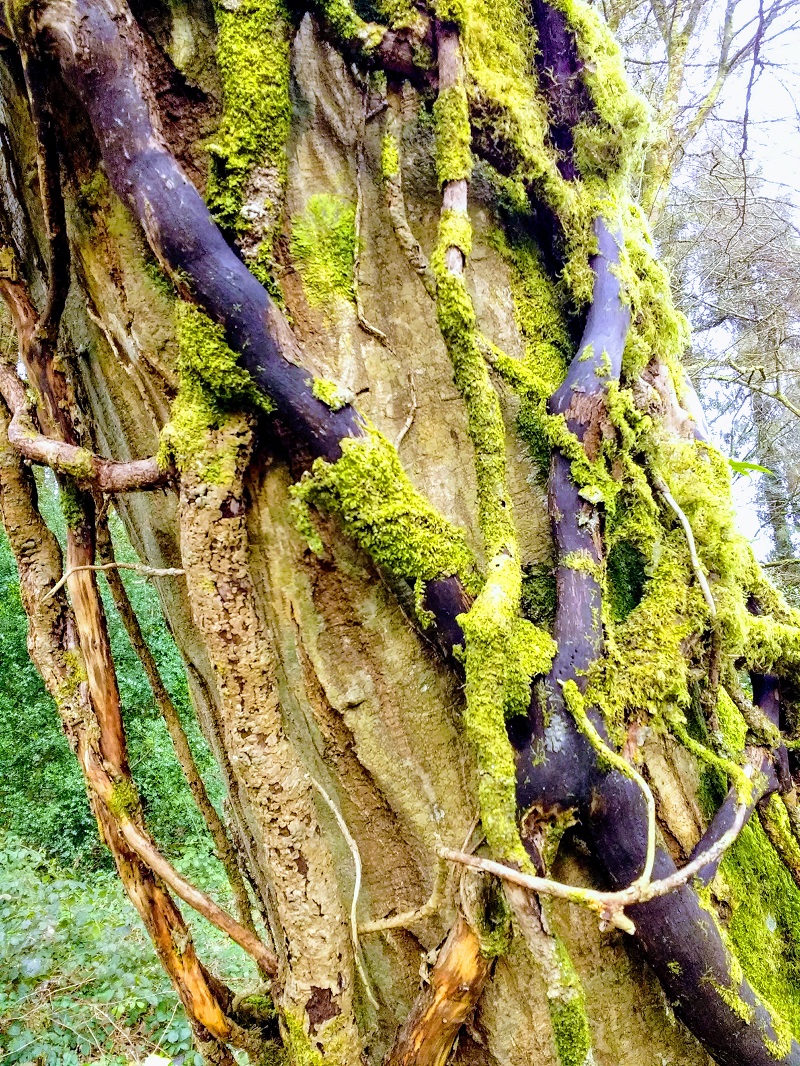
I clearly see parallels between Irish legends and the German Brothers Grimm's fairy tales. Whilst they are harsh and cruel in nature, they always carry a deeper and somewhat enlightening message. Neither were invented to purely entertain people, but to pass on knowledge and lessons painfully learned. As we know from modern news, this works best by dramatisation and a few shocking elements. What resonates with people or appalls them is what sticks - often over generations. Added to a grain of truth - this is what legends are made of.
LEPRECHAUN
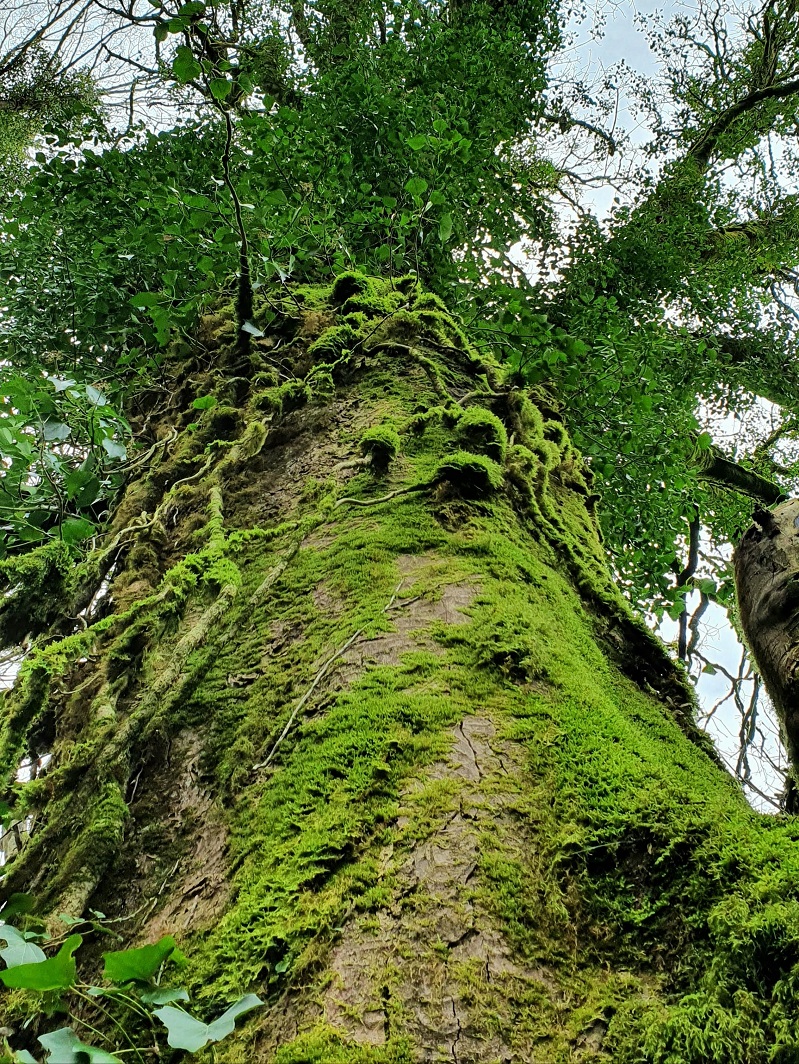
Mythical creatures fuel the tourism industry, selling Ireland as country of storytellers and Leprechauns. Whereas this is true, the Leprechaun in particular has been adapted to match the national colours. Instead of its originally brown trousers and red hat, he now wears a green costume and hat, sticking out in every parade and souvenir shop. As mischievous spirit living in hiding he wouldn't have made it far as Ireland's poster fairy. With its legend trivialised, but still mystical enough to be interesting, he has become Ireland's number one merchandise fairy.
LEGACY
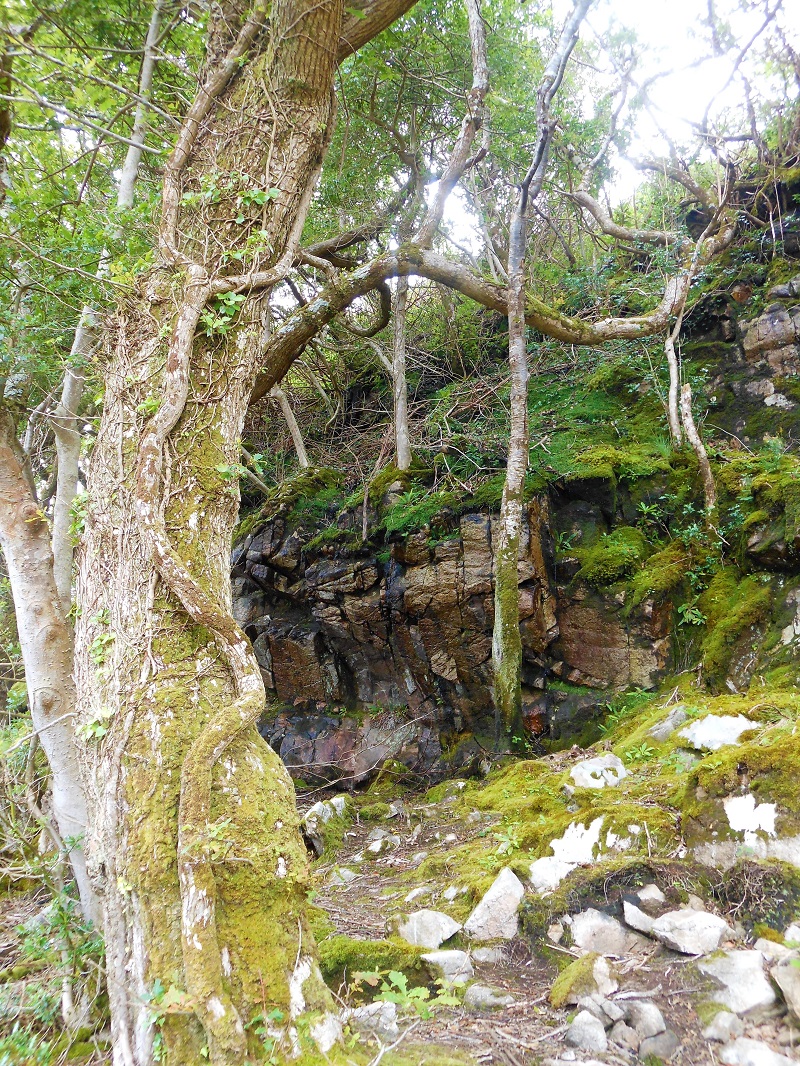
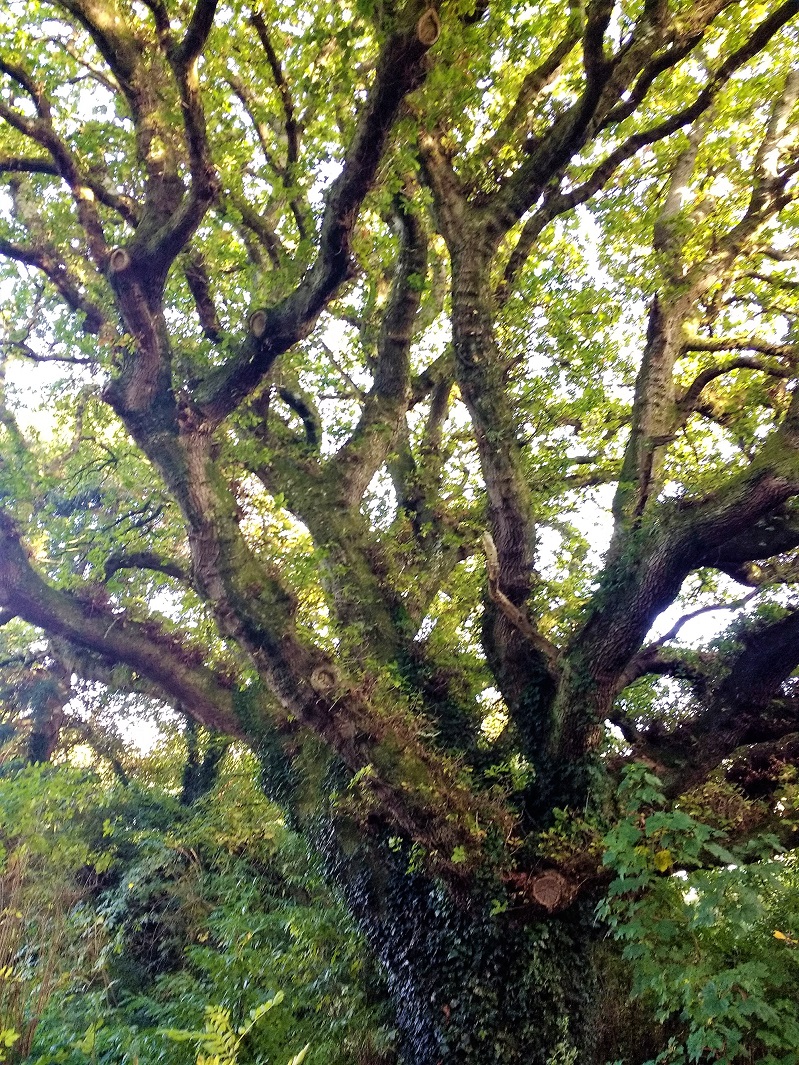
But it isn't for marketing reasons only that Celtic myths undergo a revival now and then. The Revival Movement of the 19th century was a deliberate turn towards ancient legends and fairy myths, celebrating everything Irish. Partly as a protest against the English oppressor and partly because it was such an amazing source of inspiration for art and literature. Walking through Irish woods with their mossy trees and tiny streams, breathing in the pure air and listening to the subtle swaying of the leaves in the breeze, it is not hard to see why trees are sacred.
Hi Sylvia,
Beautiful interesting engaging post. The photography is really amazing.
Stay Safe
Rebecca
Thanks Rebecca! Happy to hear :-). Planning on doing more posts like that in future. Stay safe, too!
Thanks Rebecca! Happy to hear :-). Planning on doing more posts like that in future. Stay safe, too!